What Penetrations Are and Why They Leak
Understanding what penetrations are and why they are leak-prone helps a Morgan Woods homeowner. Here is the picture.
Where Something Passes Through
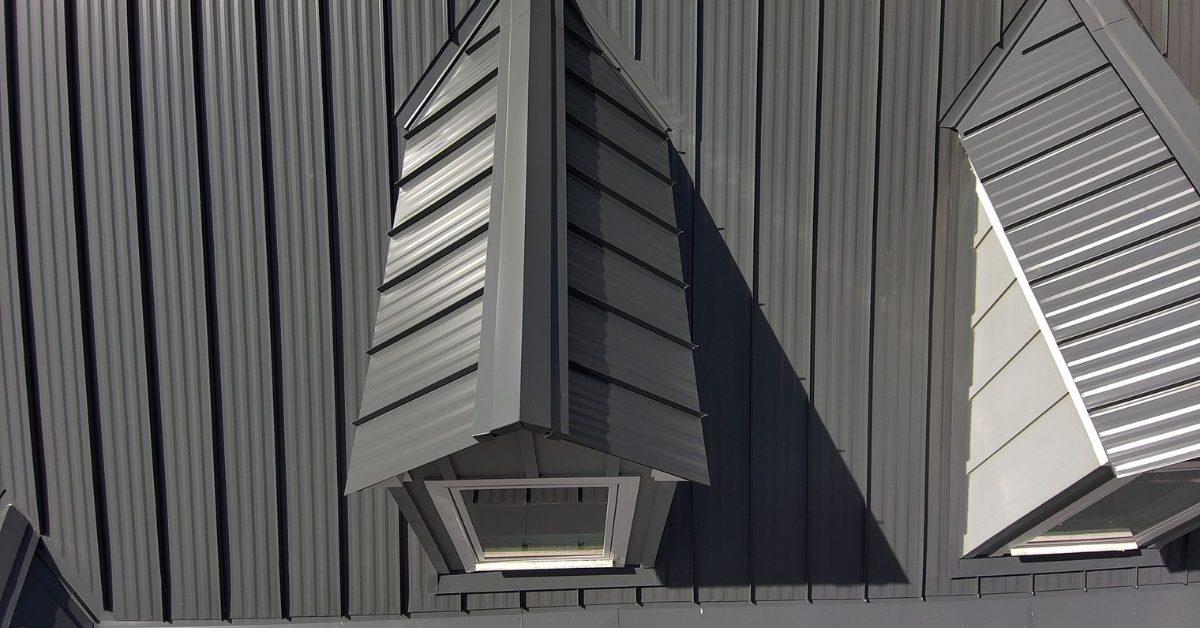
A penetration is any spot where something passes through the roof, like a plumbing vent, an exhaust vent, a skylight, or a chimney, interrupting the roof surface. A penetration is an opening. Something passes through it. It interrupts the roof. It is a feature in the roof. It needs sealing.
An Interruption to Seal
Because a penetration interrupts the continuous roof surface, it creates a spot that must be sealed to keep water from entering around it. It breaks the surface. It needs sealing. Water could enter there. It is a vulnerable spot. It requires detailing.
A Common Leak Point
Penetrations are among the most common leak points on a roof, since the seal around them must be sound, and a failing seal can let water in. They are leak-prone. The seal is critical. Failing seals leak. They are common sources. They warrant attention.
Why They Need Proper Detailing
Because penetrations are leak-prone, they need proper detailing, with flashing or seals that keep them watertight. They need good detailing. Proper flashing seals them. It keeps them watertight. It is essential. It prevents leaks.
What They Are, in Short
A penetration is any spot where something passes through the roof, like a vent, skylight, or chimney, interrupting the continuous roof surface and creating a spot that must be sealed, which makes penetrations among the most common leak points and means they need proper detailing to stay watertight.
One point worth making clear for Morgan Woods homeowners is that roof penetrations are one of the most important areas to understand when it comes to keeping a roof watertight, because they are, by their nature, among the most common places for leaks to develop on any roof, including a metal one. A penetration is simply any spot where something passes through the roof, common examples being plumbing vents, exhaust vents, skylights, and chimneys. The reason penetrations are leak-prone is straightforward, each one interrupts what would otherwise be a continuous, uninterrupted roof surface, creating an opening that has to be sealed so that water cannot enter around it. This means the seal around each penetration is critical, and a seal that fails or deteriorates is a classic way for water to find its way in. To handle this, penetrations are kept watertight through proper detailing. Flashing is installed around the penetration to direct water away from it and seal the opening, integrating with the roof so that water sheds around the penetration rather than entering at it. For pipes and other round penetrations, a boot or seal fits snugly around the pipe to seal where it passes through. And sealant is used where needed to complete the seal, supplementing the flashing or boot. The whole point of this detailing is to integrate the penetration with the roof so that water sheds properly around it. Because doing this correctly requires real skill and knowledge of how to flash and seal penetrations on a metal roof specifically, proper penetration detailing is genuinely best left to a professional, since a poorly detailed penetration is a leak waiting to happen.
It also helps Morgan Woods homeowners to understand skylights as a particular kind of penetration, along with how to recognize and address penetration problems, because these are practical things that come up over the life of a roof. A skylight is a wonderful feature for bringing natural light into a home, but it is important to remember that it is also a penetration, an opening in the roof that must be properly flashed and sealed where it meets the roof to stay watertight. Like any penetration, a skylight can become a leak point if it is not detailed well, since the seal around it must be sound, which is exactly why proper flashing around the skylight, integrated with the metal roof, and any needed sealant matter so much, and why keeping a skylight watertight involves maintaining that detailing over time. As for recognizing penetration problems generally, the signs to watch for include a leak or water appearing near a penetration, such as a stain on the ceiling below a vent or skylight, failing seals or deteriorating sealant or loose flashing at a penetration, and visible wear such as a cracked or worn boot around a pipe. Catching these signs early, while a seal is just beginning to wear, allows the penetration to be addressed before it actually lets water in. When a penetration does need attention, the fix involves renewing the flashing, boot, or sealant to restore water-tightness at that point, and any active leak should be addressed promptly so that water stops entering before it causes further damage. This kind of reflashing and resealing work is best done by a professional who can properly restore the penetration's seal for a reliably watertight result.
One point worth making clear for Morgan Woods homeowners is that roof penetrations are one of the most important areas to understand when it comes to keeping a roof watertight, because they are, by their nature, among the most common places for leaks to develop on any roof, including a metal one. A penetration is simply any spot where something passes through the roof, common examples being plumbing vents, exhaust vents, skylights, and chimneys. The reason penetrations are leak-prone is straightforward, each one interrupts what would otherwise be a continuous, uninterrupted roof surface, creating an opening that has to be sealed so that water cannot enter around it. This means the seal around each penetration is critical, and a seal that fails or deteriorates is a classic way for water to find its way in. To handle this, penetrations are kept watertight through proper detailing. Flashing is installed around the penetration to direct water away from it and seal the opening, integrating with the roof so that water sheds around the penetration rather than entering at it. For pipes and other round penetrations, a boot or seal fits snugly around the pipe to seal where it passes through. And sealant is used where needed to complete the seal, supplementing the flashing or boot. The whole point of this detailing is to integrate the penetration with the roof so that water sheds properly around it. Because doing this correctly requires real skill and knowledge of how to flash and seal penetrations on a metal roof specifically, proper penetration detailing is genuinely best left to a professional, since a poorly detailed penetration is a leak waiting to happen.
It also helps Morgan Woods homeowners to understand skylights as a particular kind of penetration, along with how to recognize and address penetration problems, because these are practical things that come up over the life of a roof. A skylight is a wonderful feature for bringing natural light into a home, but it is important to remember that it is also a penetration, an opening in the roof that must be properly flashed and sealed where it meets the roof to stay watertight. Like any penetration, a skylight can become a leak point if it is not detailed well, since the seal around it must be sound, which is exactly why proper flashing around the skylight, integrated with the metal roof, and any needed sealant matter so much, and why keeping a skylight watertight involves maintaining that detailing over time. As for recognizing penetration problems generally, the signs to watch for include a leak or water appearing near a penetration, such as a stain on the ceiling below a vent or skylight, failing seals or deteriorating sealant or loose flashing at a penetration, and visible wear such as a cracked or worn boot around a pipe. Catching these signs early, while a seal is just beginning to wear, allows the penetration to be addressed before it actually lets water in. When a penetration does need attention, the fix involves renewing the flashing, boot, or sealant to restore water-tightness at that point, and any active leak should be addressed promptly so that water stops entering before it causes further damage. This kind of reflashing and resealing work is best done by a professional who can properly restore the penetration's seal for a reliably watertight result.
Get Your Penetrations Sealed
Morgan Woods Metal Roofing details and seals roof penetrations across Morgan Woods and Hamilton County. Call {phone} for a free inspection of the penetrations on your metal roof.